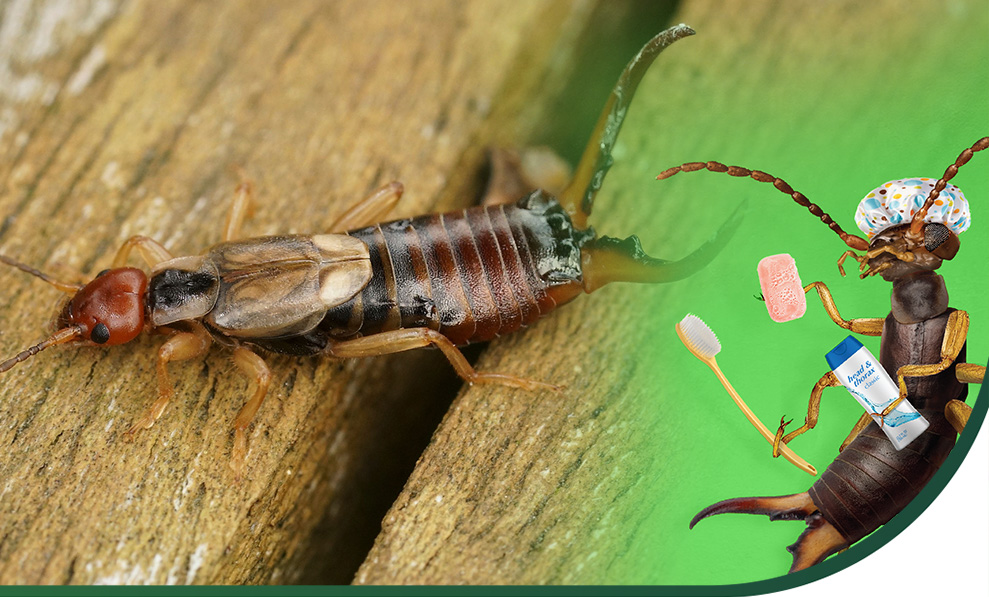
Take Back Your Home & Yard From Pesky Earwigs
Earwigs are a common nuisance pest that thrive in damp, shaded environments around homes. While they are not dangerous, earwigs can quickly become a problem when they move from mulch beds and landscaping into kitchens, bathrooms, basements, and garages. Effective earwig control focuses on moisture reduction, habitat correction, and targeted perimeter treatments.
Pestcom Pest Management provides professional earwig control services designed to reduce active infestations and help prevent re-entry through proven treatment and prevention strategies.
Why Earwigs Show Up
Earwigs are attracted to three main conditions:
- Moisture from irrigation, leaks, and splashback
- Shelter in mulch, debris, and shaded foundation areas
- Food sources including decaying plant matter and other insects
Warm evenings and exterior lighting can draw insects toward entry points, allowing earwigs to trail inside through door thresholds, utility gaps, crawl-space vents, and garages.
Common Issues Caused by Earwigs
- Nuisance activity in bathrooms, laundry rooms, kitchens, and basements
- Nighttime sightings near patios, doors, and entry lights
- Damage to seedlings, flowers, fruits, and soft garden crops
- Occasional pinches if handled; true bites are uncommon
Earwig Species Commonly Encountered
- European earwig – the most common species found around homes and gardens
- Ring-legged earwig – smaller, with banded legs, favoring consistently moist debris
Signs of an Earwig Problem
- Earwigs found under doormats, planters, or pet bowls in the morning
- Increased nighttime activity around patios or porch lights
- Feeding damage to tender plants and seedlings
- Earwigs appearing indoors after irrigation or heavy watering
Our Earwig Control Process
1) Inspection & Site Mapping
We identify active zones and conducive conditions around the structure and landscape.
We check:
- Moisture sources such as hose bibs, valve boxes, and splash blocks
- Mulch depth and vegetation contacting siding
- Entry points at door thresholds, garage weather-stripping, and utility penetrations
2) Targeted Treatment & Knockdown
- Residual treatments applied along foundation seams and grade lines
- Treatment of landscape hotspots such as bed edges, stepping stones, and debris zones
- Precision applications to intercept movement toward doors and thresholds
- Indoor spot treatments only when activity originates inside
3) Exclusion & Moisture Correction
- Recommendations to adjust door sweeps and seal gaps
- Guidance on reducing mulch depth and clearing debris near foundations
- Irrigation timing and moisture management recommendations
- Advice on relocating stacked materials such as firewood and storage totes
4) Follow-Up & Maintenance
Ongoing protection plans help maintain exterior barriers during warm and irrigated seasons. Follow-up visits allow technicians to recheck pressure points and adjust recommendations before activity rebounds.
Preparing for Earwig Service
Before We Arrive
- Pull mats, planters, and storage items 1–2 feet from walls
- Water lawns earlier in the day, not in the evening
- Thin heavy mulch near the foundation
- Secure pets and unlock gates
- Let us know where activity is most noticeable
After Treatment
- Avoid hosing treated foundation areas for 24 hours
- Maintain a 6–12 inch bare strip between mulch and siding
- Fix leaks and reduce over-watering
- Expect fewer sightings within about a week
- Report activity with photos if it returns before the next visit
Why Earwigs Show Up
Earwigs follow moisture, shelter, and nighttime food sources. Thick mulch, garden beds against siding, leaky spigots, over-watered turf, and cluttered foundations provide ideal harborage. Warm evenings with exterior lighting draw insects, and earwigs trail in through door thresholds, utility gaps, and crawl-space vents.
Common issues
- Damage to seedlings, flowers, fruits, and soft garden crops
- Nuisance activity in bathrooms, laundry rooms, and basements
- Pinches from forceps (pincers) if handled; true bites are uncommon
Earwigs We Commonly See in Our Area
- European earwig – the most prevalent species around homes and gardens
- Ring-legged earwig – smaller, banded legs, favors consistently moist debris
- Signs to watch for
- Nighttime activity around patios and entry lights
- Earwigs under doormats, planters, and pet bowls in the morning
- Feeding damage on tender plants and seedlings
Our Earwig Control Process
1) Same-Day Inspection and Site Mapping
We identify hotspots and conducive conditions from the foundation to landscape edges across the valley.
We check
- Moisture sources, irrigation schedules, downspouts, and leaky spigots
- Mulch depth and vegetation touching siding
- Entry points at door thresholds, garage weather-stripping, and utility penetrations
2) Targeted Treatment and Knockdown
Precision applications along foundation seams, expansion joints, and harborage zones
Strategic placements in crawl-space or wall voids when activity originates indoors
Exterior perimeter treatment to intercept new movement toward doors and thresholds
3) Exclusion and Moisture Correction
Recommendations to seal gaps and adjust door sweeps and garage weather-stripping
Guidance to reduce mulch depth, trim vegetation off siding, and correct over-watering
Advice for relocating stacked materials (firewood, boards, bags) off the ground
4) Follow-Up and Maintenance
Quarterly protection plans maintain the exterior barrier through irrigation season and warm nights, with rechecks of pressure points so activity doesn’t rebound.
Earwig Prevention Checklist
- Keep mulch 2–3 inches deep and pulled back from the foundation
- Extend downspouts and reduce splashback
- Seal low door thresholds and replace worn weather-stripping
- Elevate firewood and reduce clutter against exterior walls
- Sweep up pet food spills and debris at night
Earwig Control Service Areas
We provide professional earwig control for residential and commercial properties throughout our service region.
👉 Looking for earwig control in your city?
Visit one of our local pest control pages for area-specific service information.
Ready to Reduce Earwig Activity?
Earwigs don’t have to disrupt your home or yard. Professional treatment combined with moisture management and prevention can significantly reduce activity and improve comfort.
Contact us today to schedule an inspection and learn more about effective earwig control options.
Pestcom Pest Management
16201 N 20th St, Suite 110, Nampa, ID 83687
Call: (208) 795-3298 • Mon–Fri 8–5
Office: Nampa, ID • Counties Served: Ada • Canyon • Owyhee • Payette • Gem • Malheur
Licensing: All services performed by Idaho State Department of Agriculture–licensed technicians; continuing education hours maintained with ISDA.
How Do We Exterminate Earwigs?
-
 Same-Day Earwig Inspection
Our technicians know a lot about earwig infestations. We’ve applied earwig removal treatments to hundreds of homes in Meridian, Eagle, and around the Boise area. We know how to immediately spot the signs of earwigs and where to find the source of the infestation. We will visit your home to search for:
- Possible infestation locations in the kitchen, bathroom, patio, and even in the walls.
- Signs of earwigs, such as shed skins, droppings, and sightings of the bugs themselves.
- Potential entry points for earwigs, including cracks in the walls and foundation.
We complete a full inspection so we can understand the extent of the problem.
-
Earwig Treatment & Removal
We stop the infestation in its tracks by exterminating all traces of earwigs in your home. Our treatments are tough on insects, but safe for your family and pets. This is what you can expect on the day of treatment:
- Our technicians come to your home at a time that is convenient for you, and they immediately get to work.
- We apply the necessary treatments to the infested areas of the home or yard.
- We inspect the infected areas to make sure every single flea is eliminated.
We use the most effective treatments in order to remove earwigs from your home completely. Our earwig treatments are tough on pests but safe for your family and pets.
-
Earwig Preventative Treatments
Now that the earwigs are gone from your Boise home, we make sure they never come back! To ensure that your home will be protected in the future, our technicians will do the following:
- Apply treatments in strategic locations to create a barrier around your home that keeps flies out.
- Make recommendations to reduce the chance of an infestation, including sealing food containers and keeping surfaces clean.
- Return for regular treatments as necessary.
We want to make sure you never have to see earwigs around your home again!
-
Earwigs in Boise, ID
Earwigs can be found just about anywhere. They thrive inside and outside — in cold environments and hot ones. And they are located in nearly every corner of the planet, including Idaho.
In Idaho, you can find several types of earwigs. The most common species in Idaho include:
- European earwig. This is the most prevalent species in Idaho. It is recognizable by its dark reddish-brown color and pincers at the rear. It is commonly found in gardens and homes.
- Ring-legged earwig. It is smaller than the European earwig and distinguished by the banded appearance on their legs. It is typically found in moist environments and under debris.
You can find earwigs in your kitchen, bathroom, bedroom, yard or even in the walls of your home. Our team of Boise-based pest technicians are experts in earwig control. We know where earwigs like to hide and how to get rid of them quickly. If you are experiencing earwig problems or if you want to avoid earwigs from invading your property, give Pestcom a call.
Our FAQ
Have questions? We are here to help. Still have questions or can't find the answer you need? Give us a call at 208-795-3298 today!
-
Do you monitor after it’s resolved?Yes - monitoring and rechecks can be added, especially for canal-adjacent lots, open-field edges, or foothill neighborhoods.
-
How many visits are typical?Initial setup + 1-2 follow-ups resolves most homes; severe cases may require additional checks and sealing.
-
Will I need interior service or just exterior for rodents?We service both - interior where activity is present and exterior to stop new entry and pressure.
