
How to Get Rid of Fruit Flies in Idaho Homes
Fruit flies are extremely common in Idaho homes, especially during warm months or whenever overripe fruit and moisture are present. While these insects are not dangerous in the same way as disease-carrying pests like rodents or cockroaches, they can contaminate food, multiply rapidly, and become a significant nuisance. Understanding what attracts them and how to eliminate them is the key to preventing seasonal infestations in Boise, Meridian, Nampa, Caldwell, and across the Treasure Valley.
Need help identifying the source? Request an inspection.
What Do Fruit Flies Look Like?
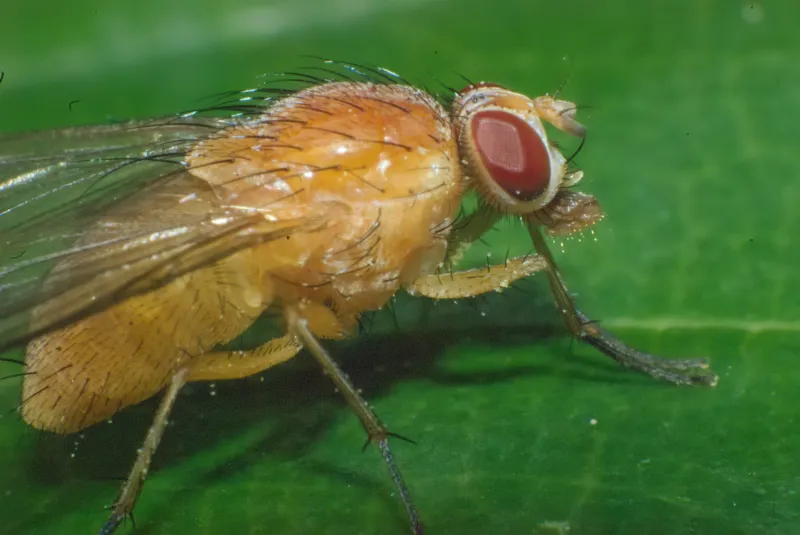
Fruit flies belong to the family Drosophilidae. They are tiny insects, typically 2 to 4 millimeters long, with:
- A tan or yellowish thorax
- A darker abdomen
- Distinctive red or dark eyes
- Clear wings that sit at an angle when resting
A fruit fly's lifecycle is fast. Under ideal conditions they go from egg to adult in as little as 7 days, which is why small problems quickly turn into large infestations. Fruit flies breed in fermenting organic material including fruit, juice residues, alcohol, and drain buildup.
Where Fruit Flies Are Found Indoors
Fruit flies prefer areas with moisture and fermenting organic matter. Indoors, the most common hotspots include:
- Overripe fruit on counters
- Garbage cans with food residue
- Recycling bins for bottles or cans
- Sinks and garbage disposals
- Mops or rags that stay damp
- Floor drains in kitchens and bathrooms
Fruit flies can also enter from the outdoors when windows or doors are left open, especially when there are fruit trees, compost, or overflowing garbage outside.
Are Fruit Flies Harmful?
Fruit flies are not known to transmit serious diseases to humans, but they can still contaminate food surfaces and stored ingredients. Here is what makes them a concern:
- They land on decaying material and can transfer microbes onto fresh food
- They reproduce rapidly and can spread throughout the kitchen
- Their presence often indicates an underlying sanitation or moisture problem
- Their larvae feed on decomposing food and can ruin stored produce
While they are not a direct medical threat, fruit flies should still be eliminated quickly to maintain a sanitary home or business environment.
How to Get Rid of Fruit Flies
To eliminate fruit flies, you must remove breeding sites and use targeted control methods. The most effective steps include:
1) Remove Attractants
- Throw away overripe fruit
- Clean counters, trash cans, and recycling bins
- Rinse food containers before placing them in recycling
- Move produce into the refrigerator when possible
2) Clean Moisture and Drain Sources
Fruit flies commonly breed in organic slime inside drains. Use this approach for several days:
- Pour boiling water into drains daily for 3–5 days
- Use an enzyme-based drain gel at night to break down organic buildup
- Scrub the drain lip/stopper area (eggs often sit right at the rim)
Note: If you have a garbage disposal, clean the rubber splash guard (underside) thoroughly—this is a common hidden breeding site.
3) Use Fruit Fly Traps (To Catch Adults While You Remove the Source)
Place several traps in active areas. Options include:
- Vinegar + dish soap trap: Apple cider vinegar with a few drops of dish soap in a cup
- Jar trap: Apple cider vinegar in a jar with small holes in plastic wrap
- Sticky traps: Place near hotspots (trash, fruit bowl, sink area)
4) Reduce Access and Repeat Infestations
- Ensure window screens fit properly
- Fix gaps around doors
- Clean up spills immediately (especially juice, wine, soda, beer)
- Take trash out regularly and keep liners clean
5) When to Call a Professional
If fruit flies keep returning after cleanup, it often means there is a hidden breeding site such as:
- A slow drain or floor drain with organic buildup
- A broken garbage disposal seal or splash guard holding residue
- A spill behind/under an appliance (refrigerator, stove, trash compactor)
- Organic buildup in a rarely used sink or bathroom drain
A professional inspection helps identify the source and prevent recurring issues—especially when the activity is persistent or spreading beyond the kitchen.
Need Help With Fruit Flies in Boise or the Treasure Valley?
Pestcom Pest Management provides targeted recommendations and treatment options to eliminate persistent fruit fly problems in Treasure Valley homes and businesses. If you’re seeing repeat activity, contact us here.
Helpful links: Contact Us | Pest Resources | Service Areas | Pest Control