
Understanding and Preventing Subterranean Termites in Idaho
Subterranean termites are among the most destructive wood-damaging pests in the United States. While Idaho is not considered a “heavy termite pressure” state like some coastal or southern regions, subterranean termites can still impact homes across Boise, Meridian, Nampa, Caldwell, and the surrounding Treasure Valley—especially where moisture, soil contact, and hidden entry points come together.
The risk is highest in older homes, properties with drainage issues, homes with crawlspaces, and areas where wood or cellulose debris stays close to the foundation. Because termites work quietly behind walls and below floors, understanding their behavior and early warning signs is one of the best ways to prevent long-term structural damage.
What Are Subterranean Termites?
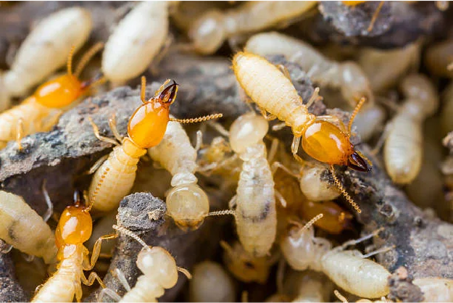
Subterranean termites live in large colonies underground. They rely on consistent moisture to survive and travel through protected mud tunnels to reach wood and other cellulose-based materials above ground.
A subterranean termite colony typically includes:
Workers
- The most numerous caste. They gather food, build/repair tunnels, and feed the rest of the colony.
Soldiers
- Defenders with enlarged jaws that protect the colony from threats like ants.
Reproductives (Swarmers / Alates)
- Winged termites produced in spring or early summer that leave to start new colonies when conditions are right.
Because their tunnel systems can extend beneath patios, landscaping, foundations, and crawlspaces, a colony can be present and feeding for a long time before obvious damage appears.
Common Signs of Subterranean Termites in Idaho
Termites can remain hidden for years, but these indicators often show up before major repairs are needed:
1) Mud Tubes
- Thin, dirt-covered “tunnels” running up foundation walls, stem walls, inside crawlspaces, or along framing.
- Mud tubes help termites avoid dry air and move safely between soil and wood.
2) Soft or Damaged Wood
- Wood that sounds hollow when tapped
- Wood that crumbles when pressed
- Bubbling paint or blistered surfaces that resemble moisture damage
- Damage that seems worse near bathrooms, kitchens, laundry areas, or any known leak points
3) Swarmers and Discarded Wings
- Winged reproductives may appear in spring or early summer, often near windows, door frames, vents, or porch lights.
- After swarming, they shed their wings—leaving small piles of matching wings behind.
4) Moisture and Drainage Problems Near the Foundation
- Persistent damp soil, pooling water, clogged downspouts, or landscaping that holds water against the structure can increase risk.
If you notice any of these signs, don’t wait. Early detection can significantly reduce repair costs and limit how far activity spreads.
How to Prevent Subterranean Termites in Idaho Homes
Prevention works best when you remove the three things termites need most: moisture, soil contact, and sheltered entry routes.
Reduce Moisture Around the Foundation
- Fix leaking spigots, irrigation overspray, and exterior plumbing drips
- Keep soil and mulch several inches below siding (avoid moisture “bridging”)
- Clean gutters and ensure downspouts discharge away from the structure
- Correct drainage that pushes water toward the foundation
Moisture is one of the strongest termite attractants and should be monitored year-round.
Eliminate Wood-to-Soil Contact
- Remove buried wood scraps and cellulose debris near the home
- Keep firewood off the ground and away from the structure
- Avoid untreated wood contacting soil (including landscape timbers)
- Ensure deck posts and porch supports are properly anchored/treated
Seal Foundation and Utility Entry Points
- Caulk or seal cracks where practical (especially near expansion joints and utility penetrations)
- Seal gaps around pipes/wiring and repair damaged screens/vents
- Check crawlspace access doors and vents for damage or gaps
Correct Interior Moisture Issues
- Repair leaking pipes and slow drips under sinks
- Dry wet crawlspaces and improve ventilation
- Watch for recurring condensation that keeps wood damp
Related reading: Pest Resources
Professional Treatment Options
If subterranean termites are found, treatment is necessary to eliminate colony activity and protect the structure. Common professional approaches include:
Liquid Termite Treatments
Applied to soil around the foundation to create a protective zone. Modern non-repellent formulations are designed so termites don’t detect and avoid them, allowing transfer through the colony’s normal movement and feeding behavior.
Baiting Systems
Installed around the perimeter to intercept foraging termites. Once feeding begins, the active ingredient spreads through colony members over time.
Preventive Protection
Even without confirmed activity, many Treasure Valley homeowners choose preventive options—especially for homes with moisture challenges, crawlspaces, or known risk factors—to reduce the chance of future colony establishment.
If you suspect termite activity or want to secure your home before problems develop, contact Pestcom Pest Management for an inspection and a plan based on what’s happening at your property.