Boxelder Bugs in Idaho and How to Keep Them Out of Your Home
Boxelder bugs are one of the most common fall and winter nuisance pests in Idaho. Residents across Boise, Meridian, Nampa, Caldwell, and the surrounding Treasure Valley often see these insects gathering on the sunny sides of homes and buildings in large clusters. Although they do not bite, sting, or damage structures, they can become a significant annoyance once they migrate indoors for warmth.
Understanding why boxelder bugs gather around homes and how they gain access is the key to preventing seasonal infestations.
What Boxelder Bugs Look Like
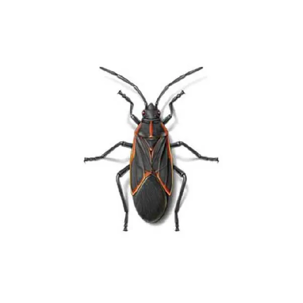
Adult boxelder bugs are dark gray or black with bright red or orange lines along their wings and thorax. They have flat, elongated bodies that average about one half inch in length. The bright red markings make them easy to distinguish from stink bugs or beetles.
Nymphs are smaller and bright red without fully developed wings. Homeowners often mistake them for different insects until they mature.
Why Boxelder Bugs Gather on Idaho Homes
Boxelder bugs feed on boxelder trees, maple trees, ash trees, and occasionally fruit-bearing plants. During the warm months, they remain outdoors and rarely cause issues. As cooler temperatures arrive in late summer and fall, they begin searching for warm surfaces and protected overwintering sites.
You may notice them:
- Sunbathing on the south or west sides of your home
- Gathering around windows, siding, or light-colored surfaces
- Entering cracks near trim, siding, or rooflines
Their clustering behavior is triggered by warmth and sunlight. The exterior of a home provides both, especially during chilly autumn days.
Do Boxelder Bugs Cause Damage?
Boxelder bugs are considered nuisance pests rather than destructive pests. They do not:
- Bite or sting
- Damage wood or building materials
- Harm pets or people
However, they can:
- Leave staining on walls or curtains
- Produce an unpleasant odor when crushed
- Accumulate in attics, wall voids, and basements
- Enter living spaces during winter and early spring
Large indoor populations can create a significant inconvenience for homeowners.
Life Cycle of Boxelder Bugs
In Idaho, adult boxelder bugs overwinter in protected areas such as:
- Wall voids
- Siding gaps
- Attics
- Window frames
- Exterior cracks and crevices
When temperatures warm again in spring, they emerge, mate, and lay eggs on host trees. Nymphs develop through several stages before becoming adults later in the year. By late summer, populations reach their peak and prepare for another winter.
Why Boxelder Bugs Try to Move Indoors
Boxelder bugs enter homes during fall for three main reasons:
Warmth
Homes retain heat, which allows the insects to survive Idaho winters.
Shelter
Gaps around siding, soffits, and windows provide protected overwintering sites.
Light and Heat Reflection
Light-colored surfaces and sunny areas attract them and encourage clustering.
Once inside, they typically remain hidden until a warm day or change in weather prompts activity.
How to Prevent Boxelder Bugs From Entering Your Home
Seal Entry Points
The most effective long-term control is exclusion. Inspect and seal:
- Gaps around windows and doors
- Cracks in siding or trim
- Spaces where utilities enter the home
- Openings in soffits and rooflines
- Attic vents with torn mesh
Caulk, weather-stripping, and fine metal mesh help reduce access.
Reduce Attractants
Although removing boxelder or maple trees is not usually practical, you can reduce attractants by:
- Eliminating debris against the foundation
- Repairing loose siding or trim
- Replacing worn screens
- Reducing bright exterior lighting when possible
Warm surfaces and light reflectivity draw boxelder bugs, so exterior maintenance helps reduce clustering.
Use Professional Perimeter Treatments
Late summer and early fall are ideal times for exterior treatments that create a barrier around the home. These treatments target areas where boxelder bugs cluster and enter.
DIY sprays often fail because they do not reach hidden gaps or last through changing weather. Professional pest control services use products designed to hold up in Idaho’s seasonal conditions.
Avoid Crushing Boxelder Bugs Indoors
When crushed, they release an odor and may leave stains. Instead, vacuum them and empty the vacuum bag or canister outside.
When to Call a Professional
You may need professional help if:
- Boxelder bugs gather by the hundreds on sunny exterior walls
- Bugs are entering your home from attic or wall voids
- Seasonal activity repeats every year
- DIY solutions have not reduced the population
A technician can identify entry points, perform targeted treatments, and help create a long-term prevention plan. If boxelder bugs are becoming a recurring issue, you can schedule an inspection with Pestcom Pest Management for professional evaluation.