
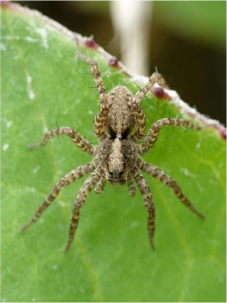
Wolf Spiders in Idaho Homes and How to Keep Them Out
Wolf spiders are common throughout Idaho and are frequently spotted in garages, basements, crawl spaces, and around outdoor entry points. Although their size and speed can be startling, they are not aggressive and generally avoid contact with people. These spiders prefer to hunt on the ground rather than build webs, which is why they often wander across floors and along wall edges.
Wolf spiders play an important role in reducing insect populations, but most homeowners do not want them indoors. Understanding their behavior and preferred habitats can help prevent them from moving inside.
Wolf Spider Facts
Wolf spiders are usually brown, gray, or black with distinctive striping or mottled patterns that help with camouflage. Adult females are larger than males, and some species in Idaho can reach a body length of more than an inch.
Key traits include:
Excellent Vision
Wolf spiders have eight eyes arranged in three rows. When light reflects from their eyes, they can appear to glow. This reflection is often noticeable when using a flashlight outdoors at night.
Ground-Dwelling Hunters
Wolf spiders do not spin webs to catch prey. Instead, they hunt insects such as crickets, beetles, roaches, and other small arthropods. They rely on speed and strong jaws to subdue prey.
Solitary Behavior
Unlike many spiders, wolf spiders live and hunt alone. They do not form webs in corners or ceilings, which is why they are found on floors near doorways, baseboards, garages, and outdoor vegetation.
Cold Weather Movement
During fall, wolf spiders often move closer to structures seeking warmth as outdoor temperatures drop. Small gaps around garage doors, foundation cracks, or siding openings can allow them inside accidentally.
Do Wolf Spiders Bite?
Wolf spiders will only bite if directly handled or trapped. Their bites may cause mild pain, redness, and swelling in some individuals, similar to a bee sting. Most symptoms resolve within a short period. Severe reactions are rare.
How to Keep Wolf Spiders Out of Your Home
Seal Entry Points
Preventing access is the most effective long-term solution. Inspect and seal:
- Gaps around exterior doors
- Cracks in foundation walls
- Openings around pipes and utility lines
- Damaged weather stripping on garage doors
- Screen doors and window screens with tears
Since garages are a primary entry point, pay extra attention to the bottom seal of the garage door.
Reduce Outdoor Habitat
Wolf spiders hide in areas that provide cover and steady insect populations. Reduce these conditions by:
- Keeping vegetation trimmed away from the home
- Removing leaf piles and plant debris
- Storing firewood away from the exterior walls
- Clearing clutter around patios, sheds, and porch areas
Cleaner, well-maintained yard areas reduce hunting grounds for spiders and their prey.
Use Glue Boards in Garages and Basements
Glue boards placed along wall edges can help identify activity and reduce wandering spiders. These are especially effective in garages, basements, and mechanical rooms.
Outdoor Perimeter Treatments
Targeted professional applications around the foundation, mulch beds, and common entry points help reduce both wolf spiders and the insects they hunt. This combination leads to fewer spiders entering structures.
Avoid Crushing Female Wolf Spiders
Female wolf spiders carry egg sacs or spiderlings on their backs. Crushing them can release many small spiders into the area. It is better to remove the spider using a container or vacuum if needed.
When to Call a Professional
A professional inspection can help if:
- Spiders are being found inside regularly
- There are cracks or structural gaps that need attention
- Indoor humidity levels are drawing in insects and spiders
- You want a seasonal perimeter treatment to prevent migration
A trained technician can identify entry sources, reduce conducive conditions, and apply treatments that help keep spiders outdoors where they belong.