
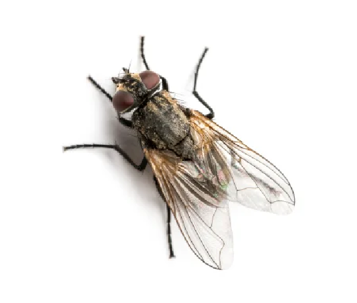
AI Overview: House flies are a common nuisance in Treasure Valley homes because they breed in moist organic material (trash, pet waste, compost, manure) and then move indoors through doors, torn screens, and small gaps. The most effective plan is sanitation first (remove breeding sites), exclusion (block entry), and targeted traps to reduce active fly numbers. This guide explains where house flies come from in Idaho and the practical steps that work best for long-term control.
House Fly Control Tips for Idaho Homes
House flies are one of the most common nuisance pests around Treasure Valley homes. They move quickly between garbage, pet waste, compost, livestock areas, and your kitchen counters—which makes them more than just annoying. Flies can spread bacteria to food preparation surfaces and create a poor experience for families, guests, and customers.
The good news is that most house fly problems can be reduced with a mix of sanitation, exclusion, and targeted control—especially when those steps are tailored to Idaho yards and homes.
Related links: Pest Resources | Service Areas | Contact Us
How to Recognize House Flies
House flies are usually:
- Around 1/8 to 1/4 inch long
- Gray to dark gray with four darker stripes on the back
- Equipped with one pair of wings and short antennae
- Fast-moving and quick to take off when disturbed
Unlike some other flies, house flies do not bite. They have sponge-like mouthparts that soak up liquids and semi-liquids. The issue is where they pick those materials up before landing on counters, food, dishes, or drink rims.
Where House Flies Come From Around the Treasure Valley
In our area, house fly pressure often increases:
- Near garbage cans, dumpsters, and open trash
- Around pet runs and dog yards
- Near barns, chicken coops, and livestock areas
- Close to compost piles or grass-clipping piles
- Around irrigation ditches, wet manure, and decaying organic matter
Warm temperatures and plenty of organic material give flies everything they need to reproduce quickly. A single female can lay hundreds of eggs during her lifetime, so small sanitation issues can turn into big fly problems within a few weeks.
House Fly Life Cycle in Simple Terms
Understanding the life cycle helps you know where to focus prevention:
Eggs
- Laid on moist, decaying organic material such as garbage, manure, or spoiled feed.
Maggots (larvae)
- White, legless, worm-like.
- Feed in the same material where the eggs were laid.
Pupae
- Maggots move away from wet material and form a brown, capsule-like shell.
Adult flies
- Emerge from the pupal case and immediately search for food and new egg-laying sites.
In warm summer weather, this entire cycle can take as little as 1–2 weeks. That’s why fly populations can surge quickly if breeding sites aren’t addressed.
Why House Flies Are a Concern
House flies are strongly attracted to:
- Food scraps and spills
- Pet waste
- Garbage and recycling
- Moist organic matter
As they move from unsanitary areas to food and food-contact surfaces, they can transfer bacteria. Even when they aren’t carrying anything harmful, their presence is unpleasant for families, guests, and customers. In food service, senior living, or healthcare settings, fly control matters for both perception and safety.
Step One: Reduce Fly Breeding Sites
Sanitation is the foundation of long-term fly control, indoors and outdoors.
Outdoor Sanitation
Focus on areas where moisture and organic matter collect:
- Keep garbage cans tightly closed and use liners
- Rinse trash and recycling bins periodically to remove residue
- Pick up pet waste regularly, especially in fenced yards
- Clean up spilled bird seed, livestock feed, or chicken scratch
- Turn or manage compost piles so they stay hot and break material down quickly
- Avoid leaving grass clippings and yard debris in damp piles next to the home
In rural and semi-rural parts of the Treasure Valley, flies are often tied to nearby livestock, manure, and barns. Regular cleaning and manure management can significantly reduce fly pressure.
Indoor Sanitation
Inside the home, focus on:
- Wiping counters after preparing food
- Cleaning under and behind appliances where crumbs collect
- Rinsing cans and bottles before placing them in recycling
- Emptying indoor trash frequently, especially in summer
- Keeping drain strainers clean and checking for buildup in kitchen or floor drains
These steps make your home less attractive to flies that make it inside.
Step Two: Exclude Flies from Your Home
Once breeding sites are reduced, blocking entry points keeps flies from becoming an indoor problem.
Check and maintain:
- Window screens that are torn, loose, or missing
- Door sweeps that leave visible gaps of light
- Sliding door screens that do not fully close
- Gaps around attic vents or garage doors that stay open for long periods
Whenever possible, keep exterior doors closed instead of propped open—especially during peak summer afternoons when fly activity is highest.
Step Three: Use Traps and Targeted Controls
When sanitation and exclusion are in place, traps and professional-grade strategies can help bring active populations down.
Common options include:
- Indoor light traps in kitchens, garages, or utility rooms
- Hanging outdoor fly traps placed away from doors and seating areas
- Baited lures used outdoors where flies congregate (kept away from people)
For commercial or high-traffic settings, professional service can design a fly management program that balances customer comfort, food safety, and regulatory needs.
Chemical sprays used indoors are usually less helpful if sanitation and entry points aren’t addressed first. Over-relying on aerosol sprays can provide short-term relief without reducing the true source of the problem.
Seasonal Fly Tips for Idaho Homes
- Expect more fly activity from late spring through early fall
- In peak summer, increase outdoor trash pick-up and cleaning frequency
- Pay extra attention to patio and deck areas where food is served
- In garages, avoid uncovered pet food, open trash, or wet cardboard boxes
Taking these steps early in the warm season helps prevent daily indoor fly battles later.
When to Contact Pestcom Pest Management
You may want professional help if:
- Flies are appearing daily even after cleaning and sealing entry points
- You manage a restaurant, daycare, clinic, or other sensitive location
- Nearby barns, coops, or agricultural operations make control more challenging
Pestcom Pest Management can inspect your property, identify breeding and attraction sources, and design a fly control plan that fits your home or business in the Treasure Valley. If you’d like help, contact us or call (208) 795-3298.