
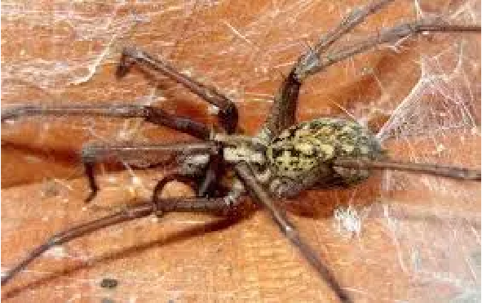
Quick Answer: Are Hobo Spiders Dangerous?
Hobo spiders are not considered medically dangerous to humans. While they can bite if trapped or handled, most reactions are mild (redness, light swelling, short-term irritation). In Idaho, sightings often increase in late summer and fall when they wander indoors.
Hobo Spider Identification in Idaho Homes
Hobo spiders are one of the most commonly discussed house spiders in the Pacific Northwest and throughout Idaho. While once believed to be highly venomous, modern research shows that hobo spiders are not medically dangerous to humans. They can still be unsettling to encounter, especially when they move indoors during late summer and fall.
Understanding how to identify hobo spiders helps Idaho homeowners know when they are dealing with a harmless house spider versus another species that may require professional attention.
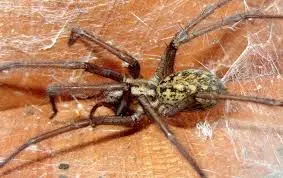
How to Identify a Hobo Spider
Hobo spiders belong to the funnel weaver family. They build flat, sheet-like webs with a narrow tunnel that the spider uses to hide and ambush passing insects.
Key identification traits include:
- Light brown or tan coloration
- A narrow abdomen with subtle chevron patterns
- Long legs without distinct banding
- No bright or shiny markings like those seen on widow spiders
- A web that resembles a sheet with a funnel entrance
Unlike the myths from the 1980s and early 1990s, hobo spiders do not have highly toxic venom and are not considered aggressive. Many historical “hobo spider bite” reports were later attributed to misidentification.
Why Hobo Spiders Come Indoors
In Idaho, hobo spiders tend to wander inside during late summer and fall when they are searching for mates or when temperatures begin dropping at night.
Common attractants include:
- Warm indoor air during cool evenings
- Gaps under doors and windows
- Cluttered basements and storage rooms
- Areas with consistent insect activity
Outdoors, hobo spiders prefer low-shelter areas such as rock borders, woodpiles, debris, and garden edges. Indoors, they usually stay close to the floor and prefer undisturbed areas.
Do Hobo Spiders Bite?
Hobo spiders can bite if they are trapped, pressed, or handled, but they are not aggressive. Most bites result in:
- Mild redness
- Light swelling
- Short-term irritation
They do not cause necrotic wounds like the brown recluse, which does not naturally occur in Idaho.
If someone is bitten and discomfort increases, medical evaluation is recommended, but serious reactions are rare.
Signs of Hobo Spider Activity
Hobo spiders do not climb as well as many other species, so most activity will be near floor level.
Possible signs include:
- Funnel webs in low corners, crawlspaces, or garages
- Spiders running along baseboards or across floors
- Egg sacs hidden in cluttered areas
- Increased indoor sightings during late summer
Seeing one spider does not necessarily indicate a large infestation. Their indoor presence is often seasonal.
How to Reduce Hobo Spider Activity Indoors
Homeowners can reduce indoor spider activity through simple prevention steps:
- Seal gaps under exterior doors
- Install door sweeps on garage and basement entry doors
- Reduce clutter in basements, closets, and storage areas
- Keep woodpiles and debris away from the home
- Replace torn screens or seal gaps around window frames
- Store clothing, shoes, and items off the floor in known spider areas
Regular vacuuming of webs, corners, and undisturbed spaces can greatly reduce spider numbers over time.
Professional Hobo Spider Control
If you are seeing hobo spiders frequently or want preventive treatment before peak activity in late summer, a professional inspection can help.
A Pestcom Pest Management technician can:
- Identify the species involved
- Apply targeted perimeter treatments
- Reduce insect populations that attract spiders
- Treat cracks, crevices, and entry points
- Provide recommendations for long-term control
Consistent service provides year-round protection and reduces spider sightings throughout Boise, Nampa, Meridian, and surrounding Treasure Valley communities.