
Early Signs of Termites in Boise & the Treasure Valley (And What to Do Next)
Termites quietly feed on wood and wood-byproducts, and the damage often isn’t obvious until the problem has been active for a while. While Idaho isn’t considered a “high pressure” termite region like parts of the South, homeowners in Boise, Meridian, Nampa, Caldwell, and surrounding Treasure Valley communities can still experience termite activity—especially where moisture, wood-to-soil contact, or hidden access points exist.
If you catch the warning signs early, you can often avoid major repairs and reduce the chance of long-term structural damage. Use the checklist below to spot common termite indicators and decide when it’s time to schedule a professional inspection.
Termite Types Homeowners Hear About (And Which Ones Matter Most)
In the U.S., most structural termite concerns fall into three broad groups:
- Subterranean termites (most common structural termite issue; they nest in soil and build mud tubes to reach wood).
- Drywood termites (live inside dry wood; more common in warmer coastal regions, but worth knowing the signs).
- Dampwood termites (prefer very wet/decaying wood; usually tied to moisture problems).
In Idaho homes, subterranean termite signs are typically the most important to recognize because these termites can access structures from the soil through cracks, joints, and hidden entry points.
Top Signs of Subterranean Termites in and Around Your Home
1) Mud Tubes on Foundations, Walls, or Crawlspaces
Subterranean termites need moisture and protection, so they build narrow “mud tubes” (soil + saliva + waste) to travel between the colony and wood sources. These tubes are often found on foundation walls, inside crawlspaces, along sill plates, and sometimes behind baseboards or in cracks and joints.
- Look for: thin brown/tan tubes climbing concrete, block, or wood; soil-like lines in crawlspaces; tube “tracks” near utility penetrations.
- Important: Don’t just scrape them off and assume the problem is solved. Mud tubes are evidence worth inspecting further.
2) Swarmers (Winged Termites) and Shed Wings
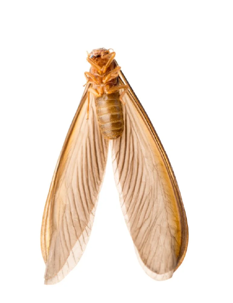
Adult winged termites (often called swarmers or alates) leave a mature colony to start new colonies. They’re attracted to light, so homeowners often find them near windows, doors, vents, and light fixtures. After a short flight, swarmers commonly shed their wings, so you may find matching wings on floors, windowsills, or caught in spider webs.
- Look for: clusters of winged insects indoors, or small piles of identical wings near windows/doors.
- Reality check: Seeing swarmers near a house doesn’t automatically prove the home is infested—but it’s a strong reason to inspect further.
3) Hollow-Sounding Wood, Soft Spots, or Hidden Damage
Because termites feed inside wood, damage may not be visible on the surface. If you tap wood and it sounds hollow, or you notice soft spots in trim, window frames, baseboards, or structural wood—especially near moisture—those areas deserve attention.
- Look for: hollow sound when tapped, soft/crumbly wood, sagging in localized areas, or unexplained surface bubbling/warping near wood.
Termites vs. Flying Ants: A Quick Idaho Homeowner Guide
Swarmers are often confused with flying ants. A quick way to tell the difference:
- Termite swarmers: straight antennae, thicker “waist,” and wings that are similar in size/length.
- Flying ants: elbowed antennae, pinched waist, and wings that are usually different sizes.
If you’re unsure, it’s worth getting a specimen identified—misidentification is one of the most common reasons termite problems go untreated.
Boise & Treasure Valley “High-Risk” Conditions to Fix
Termites thrive where they can find wood + moisture + hidden access. In southwest Idaho, the most common risk factors we see include:
- Wood-to-soil contact (deck posts, fences, siding/trim touching soil, wood stored directly on the ground)
- Moisture issues (leaks, poor drainage, clogged gutters, irrigation overspray against the foundation)
- Hidden entry points (cracks in slabs, expansion joints, gaps where plumbing/utility lines enter)
- Wet or decaying exterior wood (especially around windows, doors, and shaded sides of the home)
Practical step: Keep mulch and landscape debris pulled back from the foundation, fix drainage issues, and avoid stacking firewood against the home.
What to Do If You Spot Termite Warning Signs
- Document what you found: take clear photos of mud tubes, wings, or damaged areas.
- Avoid disturbing suspect areas: tearing into wood or spraying random products can make accurate diagnosis harder.
- Schedule a professional inspection: proper identification and inspection is the reliable way to confirm activity and choose the right treatment.
Related reading: Termite Control | Pest Resources | Contact Us
Professional Termite Inspection in the Treasure Valley
Termites can be active for months (or longer) before damage becomes obvious. If you’ve noticed mud tubes, shed wings, soft wood, or other suspicious signs, Pestcom Pest Management can help with a thorough inspection and a treatment plan built for Idaho conditions.
Homes in Boise, Meridian, Nampa, Caldwell, and nearby Treasure Valley communities can schedule an inspection to confirm what’s happening and prevent bigger problems later.