
AI Overview: Fleas can still be a major problem in Idaho because they thrive indoors once they’re brought in on pets. The key is treating both the pet and the home, since most flea life stages live in carpet, bedding, and cracks—not on the animal. This guide explains the flea life cycle, safe pet treatment options, how to clean and reset your home, and when it’s time to bring in a professional.
How to Handle Fleas on Dogs and Cats in Idaho Homes
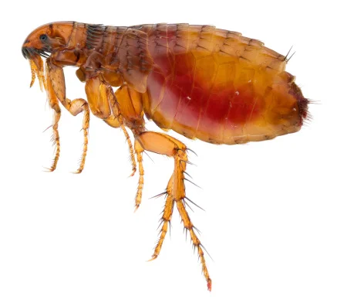
Fleas are tiny, reddish-brown, wingless insects that move quickly through pet fur and can spread throughout a home in a short amount of time. Their bodies are covered in small backward-facing hairs that help them cling to animals and hide deep in the coat. Fleas feed on blood and can cause itching, irritation, and—especially in sensitive pets—allergic reactions.
Although Idaho’s dry climate helps reduce outdoor flea explosions, fleas can still survive indoors and on pets, especially during warmer months. Understanding how the flea life cycle works is the key to eliminating an infestation.
Related links: Pest Resources | Contact Us | Pest Control Services
What to Do First If You Suspect Fleas
- Confirm: Look for “pepper-like” black specks (flea dirt) in fur, frequent scratching, or bites/irritation on pets.
- Start pet protection immediately: Choose a vet-approved flea treatment (don’t mix multiple products without guidance).
- Reset the home environment: Wash bedding and vacuum daily at the beginning to break the life cycle.
The Flea Life Cycle
A flea infestation includes four stages, many of which take place off the animal and inside the home.
Eggs
Female fleas lay eggs within one to two days of feeding. These eggs fall from the pet onto carpet, bedding, furniture, and cracks in flooring. Eggs develop faster in warm, humid environments but can still survive in dry areas of a home.
Larvae
Larvae hatch from eggs and hide in shaded, undisturbed areas such as carpet fibers, pet bedding, and under furniture. They feed on organic debris, including dried flea waste.
Pupae
The pupal stage occurs inside a small cocoon. Pupae can remain dormant for days or even months until vibrations or warmth signal that a host is nearby. This is why flea activity may seem to “come back” suddenly even after cleaning.
Adults
Once they emerge, adult fleas seek a host quickly. Without a host, they survive only a short period indoors. With a host, they reproduce and the cycle repeats.
Treating Fleas on Dogs and Cats
Effective flea control begins with treating the pet. Always consult a veterinarian before starting a product—especially if your pet has allergies, is pregnant, is very young, or takes other medications.
Spot-On Treatments
These liquid treatments are applied between the shoulder blades or along the spine. Most protect pets for about one month and kill adult fleas as well as developing stages. They work best when used consistently.
Oral Flea Medications
Veterinarians often recommend chewable tablets or pills that kill fleas quickly and provide reliable monthly protection. These are especially helpful for pets that swim or need frequent baths.
Flea Collars
Modern flea collars can provide several months of protection. Some release active ingredients that spread across the coat, while others provide more targeted protection near the head and neck.
Shampoos and Sprays
These products can kill adult fleas on contact and may provide quick relief. They are not long-term solutions and should be followed by a preventive method such as a monthly treatment or collar.
Treating Pet Bedding and Sleeping Areas
Bedding, blankets, and soft toys should be washed in hot water. Vacuuming carpets and upholstery helps remove eggs and larvae. For heavy infestations, professional treatment may be needed to address flooring and furniture where immature stages develop.
Managing Fleas Inside the Home
A complete flea plan addresses both the pet and the environment.
Vacuum Thoroughly and Often
Vacuuming removes eggs, larvae, and debris. Focus on:
- Carpeted areas
- Pet bedding locations
- Under furniture
- Baseboards and corners
Dispose of vacuum contents outdoors (sealed if possible) to prevent re-release.
Wash Fabrics Weekly During an Infestation
Use hot water and high heat when drying bedding, throws, pet blankets, and washable covers.
Treat Indoor Areas if Needed
Professional-grade treatments may be necessary for large or recurring infestations. These help eliminate larvae and reduce emerging adults in carpets and flooring where many over-the-counter products underperform.
Fleas in Idaho and Why They Are Still a Problem
Idaho’s dry climate and cold winters reduce outdoor flea development, but fleas that enter the home can thrive indoors where temperatures and humidity are stable. Pets that hike, visit parks, groomers, boarding facilities, or interact with other animals can pick up fleas—even in cooler months.
Signs your pet may have fleas include:
- Frequent scratching or chewing
- Small red bites or skin irritation
- Black specks in the fur that resemble ground pepper
- Visible adult fleas
- Flea dirt on bedding or furniture
Early treatment prevents fleas from spreading throughout the home.
When to Call a Professional
If fleas keep returning after treating pets and cleaning the home, professional help may be needed. Fleas can hide deep in carpets, cracks, and furniture, and a targeted plan can help eliminate all life stages.
If you’d like help stopping a recurring flea problem, contact Pestcom Pest Management or call (208) 795-3298.