Quick Answer: How Do You Identify and Get Rid of Yellow Jacket Wasps?
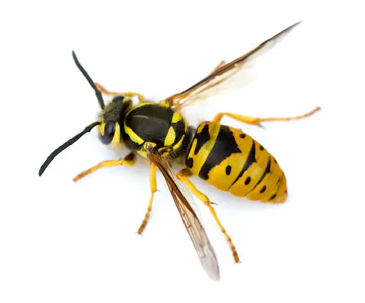
Yellow jackets are yellow-and-black wasps that build paper nests in the ground, wall voids, or above ground (trees, eaves, sheds, and other structures). They have a smooth body, a narrow “waist,” and can sting multiple times.
To deal with yellow jackets safely, you should:
- Identify and avoid nest entrances
- Reduce outdoor food and drink attractants
- Use targeted traps or treatments away from people and pets
- Contact a professional for nest treatment/removal—especially near doors, decks, or high-traffic areas
DIY nest removal can be dangerous. For many situations, the safest option is to have a professional remove the nest.
How to Identify and Get Rid of Yellow Jacket Wasps
Yellow jackets are one of the most aggressive stinging insects homeowners encounter around yards, patios, and homes in the Treasure Valley. They’re often mistaken for bees, but yellow jackets are wasps with a slimmer body, brighter yellow-and-black striping, and a higher tendency to sting when they feel threatened or when a nest is disturbed.
Understanding how to identify yellow jackets, where they nest, and how to respond safely can help you protect your family and avoid painful encounters. If you’re seeing heavy activity near your home, you can also contact Pestcom Pest Management or call (208) 795-3298.
Related links: Yellow Jacket & Hornet Nest Removal | Pest Resources | Contact Us
What Is a Yellow Jacket Wasp?
Yellow jackets are social wasps in the family Vespidae. They live in colonies, build paper nests, and aggressively defend those nests when disturbed. In Idaho and throughout the U.S., yellow jackets are common around homes, parks, and outdoor eating areas.
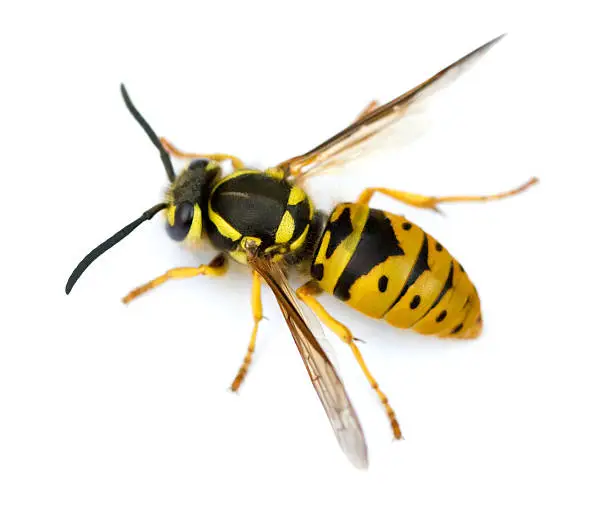
- Appearance: Bright yellow-and-black bands, smooth/shiny body, narrow waist.
- Size: Usually about 1/2 inch long.
- Diet: Other insects, carrion, sugary foods, and sweet drinks (often drawn to outdoor food and garbage).
- Behavior: Social, defensive near the nest, and capable of stinging multiple times.
Unlike honey bees (which are fuzzier and more golden-brown), yellow jackets have a sleek appearance and pronounced striping.
Ground-Nesting vs. Aerial Yellow Jacket Nests
When homeowners talk about “types” of yellow jackets, they’re often referring to where the nest is located.
Ground-Nesting Yellow Jackets
Many yellow jackets build nests underground or in hidden voids at or below ground level.
- Nest locations: Old rodent burrows, soil cavities, landscape beds, and sometimes under steps or slabs.
- Signs: Wasps flying in and out of a small hole; increased activity when someone walks nearby, mows, or disturbs the area.
- Risk: High—ground nests are easy to step on or strike with equipment, triggering defensive stinging.
Aerial (Above-Ground) Yellow Jacket Nests
Some species build nests above ground, often attached to structures or vegetation.
- Nest locations: Eaves, attics, wall voids, trees, shrubs, sheds, and under decks.
- Appearance: Gray paper nests, sometimes partially enclosed, with a noticeable entrance hole.
- Risk: High near doors, play areas, or walkways—movement and vibration can trigger defensive behavior.
Both ground and aerial nests can contain hundreds to thousands of wasps by late summer—especially in warm seasons across Boise, Meridian, Nampa, Caldwell, and nearby communities.
How to Identify Yellow Jackets vs. Bees and Other Wasps
Yellow jackets are often confused with honey bees, paper wasps, or hornets. A few quick ID tips:
- Yellow jackets: Bright yellow-and-black stripes; smooth/shiny body; narrow waist; fast, darting flight; often around food and garbage.
- Honey bees: Fuzzy, more brown/golden; rounder body; often seen on flowers; typically sting once.
- Paper wasps: More slender body; legs may dangle in flight; open comb nests under eaves or sheltered areas.
If you’re unsure whether you’re dealing with bees or yellow jackets, don’t disturb the nest. A professional can safely identify the species and recommend the right solution.
Are Yellow Jacket Wasps Dangerous?
Yellow jackets can be beneficial by hunting other insects, but they become a serious problem when they nest near people or where food is present.
- Stings: Painful, and yellow jackets can sting multiple times.
- Allergic reactions: Some individuals may experience severe reactions and need immediate medical care.
- Aggressive defense: They may swarm if the nest is threatened.
Any nest near doors, walkways, decks, play areas, or outdoor eating spaces should be handled carefully—and is often best handled professionally.
What Attracts Yellow Jackets to Your Yard?
Yellow jackets are drawn to areas that provide food, water, and shelter, including:
- Trash cans or recycling bins with food residue
- Outdoor grills, picnic tables, and spilled drinks
- Pet food left outside
- Fruit trees with fallen, rotting fruit
- Protected nest sites (soil voids, landscaping, wall voids, sheds, and eaves)
How to Help Prevent Yellow Jacket Problems
You can reduce the odds of nests forming near your home by:
- Keeping outdoor trash and recycling bins sealed and clean
- Cleaning up spills and rinsing drink containers after outdoor meals
- Feeding pets indoors when possible (or removing bowls promptly)
- Picking up fallen fruit from yards and gardens
- Inspecting eaves, soffits, and sheds in spring for early nest activity
Catching early-season activity usually makes control easier than waiting until late summer when colonies are larger and more defensive.
How to Get Rid of Yellow Jacket Nests Safely
Because yellow jackets can be aggressive and sting multiple times, nest removal should be approached cautiously.
Important Safety Tips
- Do not hit, burn, or flood nests—this can increase aggression and is unreliable.
- Avoid loud equipment (mowers, trimmers) near known nests.
- Keep children and pets away from suspected nest areas.
- Do not attempt DIY removal if anyone may be allergic or if the nest size is unknown.
Professional Removal
For most yards and structural nests, the safest option is to have a professional remove or treat the nest. A trained technician can:
- Confirm the species and locate the nest entrance(s)
- Use the correct protective gear and treatment method
- Neutralize or remove the colony with minimal risk to people and pets
- Provide prevention recommendations to reduce future activity
What to Do If You’re Stung
Yellow jacket stings often cause immediate pain, redness, and swelling. General first-aid steps may include:
- Move to a safe location away from the nest
- Wash the area gently with soap and water
- Use a cold compress to reduce swelling
- Follow your healthcare provider’s guidance for symptom relief
If you experience difficulty breathing, swelling of the face/throat, dizziness, or other signs of a severe allergic reaction, seek emergency medical care immediately.
Frequently Asked Questions
How can I tell if I have yellow jackets or bees?
Yellow jackets have smooth, bright yellow-and-black bodies and a narrow waist. Honey bees appear fuzzier and more golden-brown. Yellow jackets are also more likely to show up around human food, trash, and ground/structural nests.
Can yellow jackets sting more than once?
Yes. Yellow jackets can sting multiple times, which is one reason they’re considered high-risk when nests are disturbed.
Is it safe to spray a yellow jacket nest on my own?
DIY treatments can provoke defensive swarming, especially with large nests. In most cases—particularly near structures, doors, or play areas—professional nest treatment/removal is the safest option.
When should I call a professional?
Contact a professional if the nest is large, hard to access, close to people/pets, or if anyone may be allergic to stings. If you want more background on stinging insects, you can also review key facts about bees and wasps.