
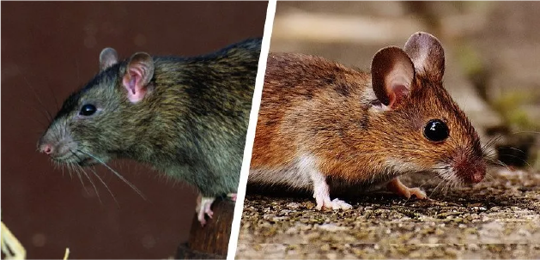
Mice vs. Rats in Idaho Homes: How to Tell the Difference and What to Do
Rodents are among the most common pests found in homes and businesses across Idaho’s Treasure Valley. Both mice and rats contaminate food, spread pathogens, and damage property by chewing insulation, wiring, and stored items. Although the terms are often used interchangeably, mice and rats behave very differently—and effective control depends on identifying which one you’re dealing with.
Understanding the differences helps Boise-area homeowners respond quickly, limit damage, and choose the right prevention and control strategy.

How to Tell Mice and Rats Apart
Mice and rats share some traits, but there are clear physical and behavioral differences that make identification easier.
Physical Differences
Mice
- Much smaller bodies
- Large ears relative to head size
- Small feet and thin tails
- Tiny droppings shaped like grains of rice
- Light scratching or scurrying sounds
Rats
- Larger, heavier bodies
- Blunt snouts and thicker features
- Long, scaly tails
- Thicker, capsule-shaped droppings
- Louder chewing and movement noises
Rats are also stronger climbers and can scale rough surfaces, pipes, and wire mesh. Mice can climb as well, but they’re more likely to squeeze through extremely small gaps and travel along baseboards.
Behavioral Differences
Both rodents rely heavily on their whiskers because of poor eyesight, but their behavior patterns differ in important ways:
- Rats are cautious. They may avoid new traps or bait for several days.
- Mice are curious. They tend to investigate new objects quickly.
- Rats are more territorial and aggressive if threatened.
- Mice prefer seeds, grains, and sweets, while rats eat almost anything—including garbage, pet food, and grease.
Because their feeding habits differ, bait choice and placement matter when controlling each species.
Are Mice and Rats Dangerous?
Yes. Both rodents pose health and property risks in Idaho homes, including:
- Exposure to bacteria and diseases such as hantavirus and salmonella
- Fleas and ticks carried indoors on rodents
- Chewing damage to electrical wiring (fire risk)
- Contamination of pantry items and pet food
- Damage to insulation, drywall, and stored belongings
Even a small rodent presence can grow quickly, making early detection critical.
How Rodents Get Into Homes
Mice can enter through openings as small as a dime, while rats need slightly larger gaps. Common entry points around Boise-area homes include:
- Gaps around plumbing and utility lines
- Cracks or openings in foundations
- Unsealed vents and crawl space openings
- Garage doors that don’t seal tightly
- Gaps under siding, decks, or porches
Once inside, rodents nest in quiet, protected areas such as basements, crawlspaces, insulation voids, and storage rooms.
Rodent Prevention Tips for Idaho Homes
Preventing mice and rats starts with making your home less inviting:
- Seal openings around foundations, doors, and utility lines
- Store food and pet food in sealed containers
- Reduce clutter in garages, pantries, and storage areas
- Keep woodpiles and debris away from the structure
- Repair damaged vents, dryer hoses, and weatherstripping
- Trim vegetation that touches siding or rooflines
Prevention is most effective when paired with early detection using traps and routine inspections.
Controlling Mice and Rats
Traps remain one of the most effective tools for identifying and reducing rodent activity. Because mice and rats behave differently, a blended approach is often needed.
- Use multiple traps along walls and active runways
- Avoid relying on a single trap
- Check traps daily and reset as needed
- Wear gloves to avoid scent contamination
Live traps may collect multiple rodents over time, while snap traps are effective for faster reduction during heavier activity. Loose poisons indoors are generally discouraged due to odor issues and safety concerns.
Repeated sightings, persistent noises, or widespread droppings usually indicate that professional intervention is needed.
Professional Rodent Control in Idaho
A licensed technician can:
- Identify whether mice, rats, or both are present
- Locate hidden entry points and nesting areas
- Remove active rodents safely
- Install monitoring and exclusion systems
- Create a long-term prevention plan tailored to your property
If you’re hearing scratching noises, finding droppings, or noticing damaged food packaging, Pestcom Pest Management can help resolve the issue completely and safely.
Related pages: Rodent Control | Pest Resources | Contact Us