
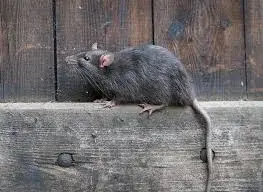
February in the Treasure Valley is usually the time of year when people think pest problems are “quiet.” But right now, rats are one of the most talked-about issues in local neighborhoods and at the Statehouse. Reports in Ada County and beyond have focused on two species in particular: Norway rats and roof rats.
This article explains what’s being reported locally, what Idaho leaders are discussing as a response, and what homeowners can do right now to reduce risk; especially in winter, when rats are most likely to move into attics, wall voids, crawl spaces, garages, and sheds.
What’s Happening Right Now in the Treasure Valley
Local reporting has documented increased rat sightings and service calls across the area, including concerns in and around Eagle and spreading reports across parts of Ada County. Several stories highlight that residents are seeing activity around yards, garages, chicken coops, and along irrigation or canal corridors.
- KTVB: Public forum urges Idaho lawmakers to tackle the rat issue
- KIVI: “It was like an explosion of rats”: Neighbors report rise in pests
- Local News 8: Confronting a rodent infestation in western Idaho
- BoiseDev: Boise/Ada officials exploring solutions for a growing rat problem
- Idaho News 6: Idaho legislation takes on “Eagle rats”
If you’re seeing rats in winter, it often means they’ve found a reliable food source, a warm nesting location, or both. Winter sightings aren’t “random”; they’re usually a sign of an established travel route.
Norway Rats vs. Roof Rats: Why Identification Matters
Knowing which rat you’re dealing with changes the strategy. Norway rats tend to be heavier-bodied and are more likely to burrow and travel low. Roof rats are typically slimmer, are excellent climbers, and often nest above ground (attics, soffits, dense vines, trees, and thick vegetation).
For a clear, practical breakdown of what we’re seeing locally and how these two species behave in Treasure Valley neighborhoods, see: Rats Are Rising in the Boise Area: What to Watch For and How to Stop Them
For a detailed science-based reference on both Norway and roof rats (including signs and prevention), UC IPM’s “Pest Notes” is one of the most useful guides: UC IPM Pest Notes (PDF): Rats
What Idaho Leaders Are Discussing as a Response
As the issue has gained attention, local agencies and state leaders have discussed approaches that include better tracking of reported sightings, mapping to identify hotspots, and potential county/state structures for coordinated response. Reporting has also covered conversations about tools that could support local action if the problem continues to expand.
- KTVB: Idaho lawmakers hear proposals to combat rats
- KIVI: State agriculture director discusses mapping and other tools
- KIVI: State leaders discuss action plan as the problem spreads
What this means for homeowners: even if broader programs take time to organize, the most effective prevention still happens at the property level; closing entry points, removing food and shelter, and addressing travel routes before nesting becomes established.
Signs of Rat Activity Homeowners Should Watch For
Rats are often detected by evidence, not sightings. Check these areas: garages, attics, crawl spaces, sheds, behind stored items, along fences, and near pet food or trash storage.
- Droppings (often found along walls, in corners, near stored items, or near food sources)
- Gnaw marks on wood, plastic bins, pet food containers, wiring, or insulation
- Scratching or movement sounds in walls/ceilings, especially at night
- Runways (packed paths in grass/ground cover; repeated travel routes along fence lines)
- Burrows or holes near foundations, under sheds, around rock borders, or along canal banks
- Grease rub marks along beams, edges, pipes, or wall contact points
For additional guidance on identifying and preventing rodent infestations: CDC: Controlling Wild Rodent Infestations and EPA: Identify and Prevent Rodent Infestations.
What Homeowners Can Do Now: Prevention That Actually Reduces Risk
1) Eliminate food sources (the #1 reason rats stay)
- Use tight-sealing trash cans; keep lids fully closed
- Bring pet food indoors at night; store all food in sealed containers
- Pick up fallen fruit and clean up bird seed regularly
- Keep outdoor grills clean and free of grease buildup
2) Reduce shelter and “hidden travel” zones
- Trim back dense shrubs, vines, and ground cover near the home
- Remove clutter piles, stacked materials, and debris near fences or sheds
- Store firewood up off the ground and away from the structure
3) Block entry points (exclusion is the long-term win)
Rats can squeeze through surprisingly small openings. Prioritize sealing and screening these common entry areas:
- Gaps at garage door corners and weather stripping failures
- Utility penetrations (AC line sets, pipes, conduits)
- Damaged vents (attic/crawlspace) and loose screening
- Soffit and roofline gaps, especially where trees provide access
Boise’s resident guidance has a solid, practical checklist for property-level prevention: City of Boise: Rodent Prevention
4) Be cautious with DIY control—especially if activity is spreading
Traps and bait can help, but improper placement can cause rats to relocate, avoid devices, or create odor problems if rodents die in inaccessible voids. If you’re seeing repeated evidence (droppings returning, fresh gnawing, attic activity, burrows expanding), it’s time for a structured inspection that identifies entry points and nesting zones, not just the visible symptoms.
When a Professional Inspection Helps Most
A rat problem usually has three components: where they’re getting in, why they’re staying, and where they’re nesting/traveling. A thorough inspection focuses on those root causes—especially important with roof rats, where the activity is often above eye level.
- Exterior perimeter assessment for entry points and burrows
- Roofline, attic, and upper access evaluation (common with roof rats)
- Garage and storage zone checks for food attractants and nesting
- Recommendations for exclusion and habitat reduction
Learn more about our approach here: Rodent Control & Exclusion
If you’d like help confirming what you’re dealing with (Norway vs. roof rat) and what your property risk looks like, request an inspection here: Contact Pestcom to Schedule an Inspection
We serve homeowners and businesses across the Treasure Valley: Boise, Meridian, Eagle, Kuna, Star, Nampa, Caldwell, Middleton, and surrounding areas.
Resource List
- KTVB: Idaho lawmakers hear proposals to combat rats
- KTVB: Public forum urges lawmakers to tackle rat issue
- KIVI: Neighbors report rise in rats
- KIVI: GIS mapping and response tools discussed
- Idaho News 6: Legislation discussion on “Eagle rats”
- BoiseDev: Officials explore solutions
- Local News 8: Confronting rodent infestation
- City of Boise: Rodent Prevention
- CDC: Controlling Wild Rodent Infestations
- EPA: Identify and Prevent Rodent Infestations
- UC IPM (PDF): Pest Notes—Rats
- Pestcom: Rodent Control & Exclusion
- Pestcom: Contact / Inspection Request
- Pestcom: Rats Are Rising in the Boise Area