
AI Overview: Bed bugs are present in Boise and throughout the Treasure Valley, most often spreading through travel, multi-unit housing, shared laundry spaces, and used furniture. This article explains where bed bugs in Idaho commonly hide, how they spread, early signs to watch for, and practical steps to prevent or eliminate an infestation. If you suspect bed bugs, early confirmation and professional treatment offer the most reliable results.
Think you might have bed bugs? Request an inspection.
Bed bugs are increasingly common across the United States, including here in Boise and the Treasure Valley. While Idaho does not experience the same year-round pressure as larger metro areas, bed bugs continue to spread through travel, apartment communities, hotels, used furniture, and public transportation. Understanding the signs, risks, and prevention steps can help you protect your home and respond quickly if a problem arises.
What Are Bed Bugs?
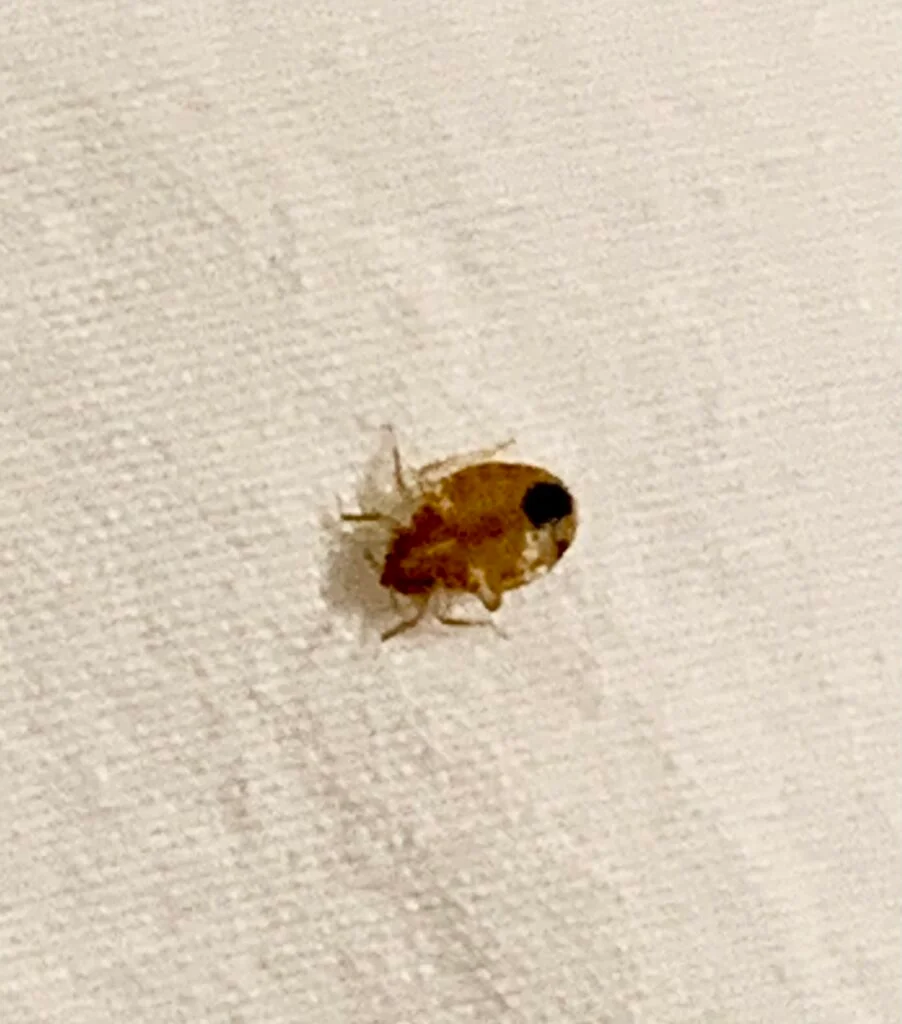
Bed bugs are small, parasitic insects that feed on human blood during the night. They are reddish brown, oval shaped, and about the size of an apple seed. Their ability to hide in tight spaces makes them difficult to locate, and they can live for months without feeding. While bed bugs are not known to spread diseases, their bites can cause itching, irritation, and sleep disruption.
Bed bugs are excellent hitchhikers. They spread by clinging to luggage, bedding, clothing, and furniture, which is why travel and secondhand items are among the most common sources of infestation.
Where Do Bed Bugs Live?
Bed bugs can hide in almost any type of structure including homes, apartments, hotels, dorms, libraries, and offices. Once introduced, they settle into areas close to where people sleep or rest. Some of the most common hiding places include:
- Furniture: Mattresses, box springs, couches, recliners, headboards, and seams of upholstered furniture.
- Clothing: Items stored in drawers, closets, or laundry baskets may harbor bed bugs or eggs.
- Carpets and Rugs: Bed bugs may hide in carpet fibers or beneath rugs near beds or couches.
- Cracks and Crevices: Bed frames, wall voids, baseboards, outlets, nightstands, and flooring gaps offer tightly protected hiding areas.
Because they prefer darkness and close contact with people, bed bugs rarely stray far from where hosts sleep.
How Do You Get Bed Bugs?
Bed bugs are not caused by cleanliness or hygiene. They spread through movement and contact with infested environments. Common sources include:
- Luggage after staying in hotels or vacation rentals
- Used couches, mattresses, or bedroom furniture
- Shared laundry facilities
- Visiting a home with an active infestation
- Public seating such as theaters or rideshare vehicles
- College dorms and apartment buildings with shared walls
Once bed bugs enter a home, they reproduce quickly. A single female can lay hundreds of eggs during her lifetime, allowing an unnoticed infestation to grow rapidly.
How Do You Know If You Have Bed Bugs?
While bed bugs are skilled at hiding, they often leave signs that homeowners can detect. Indicators include:
- Bites: Clusters or lines of small, red, itchy welts that appear overnight on exposed skin.
- Blood Spots: Small reddish stains left on sheets or pillowcases after feeding.
- Fecal Spots: Tiny black or dark brown dots on mattress seams, baseboards, or furniture joints.
- Exoskeletons: Shed skins left behind as bed bugs grow through developmental stages.
- Musty Odor: A sweet, slightly musty smell caused by bed bug scent glands during larger infestations.
If you notice any of these signs, professional confirmation is recommended. Early detection leads to faster and more effective treatment.
How Do You Prevent Bed Bugs?
While no prevention method is perfect, several steps can significantly reduce the risk of bed bugs entering your home:
- Inspect Used Furniture: Carefully check seams, joints, and cushions before bringing items indoors. Avoid used mattresses entirely.
- Be Cautious When Traveling: Inspect hotel beds, headboards, and luggage racks. Keep luggage elevated and away from fabric surfaces.
- Vacuum Frequently: Regular vacuuming of carpets, areas under beds, and around furniture helps remove stray bugs or eggs.
- Wash Bedding Often: Use hot water and high heat to kill bed bugs and eggs on sheets, blankets, and pillowcases.
- Seal Cracks and Crevices: Reduce hiding places by sealing gaps in baseboards, bed frames, and wall fixtures.
If bed bugs are found, professional control is strongly recommended. Home products rarely eliminate the entire population since bed bugs hide deeply and may resist certain over-the-counter treatments.
Need Help With Bed Bugs in Boise or the Treasure Valley?
For fast, reliable identification and treatment planning, contact Pestcom Pest Management for a thorough inspection and a custom treatment plan.
Helpful links: Contact Us | Pest Resources | Service Areas | Pest Control