
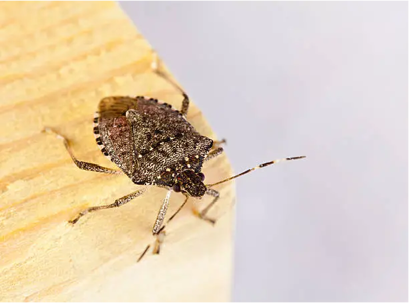
Brown Shield-Shaped Stink Bugs in Idaho: What Treasure Valley Homeowners Should Know
Brown shield-shaped stink bugs—most commonly the brown marmorated stink bug—are a familiar nuisance for homeowners across the Treasure Valley, including Boise, Meridian, Nampa, Caldwell, Kuna, and Eagle. These insects are often noticed feeding in gardens during summer and then invading homes in the fall as temperatures drop.
While stink bugs are not dangerous to people or pets, they can cause significant frustration. Outdoors, they damage fruits, vegetables, and ornamental plants. Indoors, they become a problem because of the strong, lingering odor they release when disturbed or crushed.
Below is a clear, updated guide to identifying brown shield-shaped stink bugs, understanding why they become a problem in Idaho, and knowing what steps help keep them out of your home.
How to Identify Brown Shield-Shaped Stink Bugs
Brown marmorated stink bugs can be identified by several key features:
- Distinctive shield-shaped body
- Mottled brown or dark brown coloring
- Light-colored banding on the antennae
- Rough or bumpy edges along the back
- Typically about ½ inch long
Indoors, stink bugs often gather in warm, quiet areas such as window frames, ceiling corners, garages, and attics. When exposed to bright light, they may appear almost black.
In Idaho’s climate, stink bugs usually have one generation per year. Adults overwinter inside protected areas, become active again in spring, and lay eggs on plant leaves throughout early summer.
Are Brown Shield-Shaped Stink Bugs Harmful?
Stink bugs do not bite, sting, or transmit disease. Their impact is mostly related to nuisance and plant damage.
Outdoors, they feed on:
- Fruits such as apples, peaches, pears, and berries
- Vegetables including tomatoes, beans, peppers, squash, and cucumbers
- Ornamental plants and shrubs
Their feeding can cause:
- Discolored or sunken spots on fruit
- Distorted or collapsed plant tissue
- Reduced garden yields
- Wilting or decline in certain plants
Indoors, the biggest issue is their defensive odor. When crushed or handled, stink bugs release a smell that can linger on walls, fabrics, and carpeting. They also tend to gather in groups, which can make the problem feel overwhelming even when numbers are moderate.
Why Stink Bugs Enter Idaho Homes in Fall
As summer ends and temperatures cool, stink bugs begin searching for protected places to overwinter. Homes provide warmth, shelter, and stable conditions, making them ideal hiding spots.
They commonly enter through:
- Gaps around windows and door frames
- Attic vents and soffits
- Foundation cracks and siding gaps
- Utility and pipe entry points
- Damaged window screens or door sweeps
Once inside, they usually remain hidden until warmer winter days trigger movement.
How to Keep Brown Shield-Shaped Stink Bugs Out of Your Home
1) Seal Exterior Entry Points
Exclusion is the most effective long-term solution. Before late summer and fall, inspect and seal:
- Window and door frames
- Foundation gaps
- Attic vents and soffits
- Utility penetrations
- Small cracks in siding or trim
Use high-quality silicone or silicone-latex caulking for best results.
2) Trim Back Landscaping
Branches touching the home act as bridges. Trim shrubs and trees back at least 10–12 inches from exterior walls, rooflines, and eaves.
3) Repair Screens and Door Seals
Make sure:
- Window screens are intact and tear-free
- Exterior doors seal tightly at the bottom
- Garage and sliding doors have proper weatherstripping
4) Remove Indoor Stink Bugs Carefully
If stink bugs make it inside:
- Use a vacuum with a disposable bag
- Remove and discard the bag immediately after use
Avoid crushing them, which releases odor.
Reducing Stink Bugs Around Gardens and Yards
Complete outdoor elimination is difficult, but you can reduce attractants by:
- Removing fallen fruit promptly
- Cleaning up garden debris after harvest
- Keeping compost bins covered
- Reducing unnecessary outdoor lighting at night
Targeted garden treatments may help protect high-value plants, but timing and product selection are important.
When Professional Treatment Makes Sense
DIY sprays often have limited impact because stink bugs hide deep in wall voids, attics, and soffits. Professional service is often recommended when:
- Large numbers return every fall
- Stink bugs are entering living spaces repeatedly
- Odor issues are persistent
- Exterior exclusion alone has not worked
Professional treatment may include identifying seasonal entry points, applying precise exterior perimeter treatments, sealing vulnerabilities, and safely reducing indoor populations.
If you’re dealing with recurring stink bug issues, Pestcom Pest Management can help. Our technicians understand seasonal pest behavior in the Treasure Valley and provide targeted solutions to reduce stink bug activity and help keep them out of your home.
Related pages: Pest Resources | Pest Control Services | Contact Us