
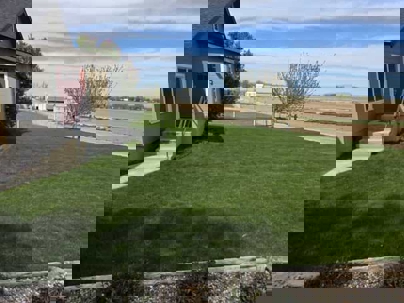
Across Boise, Meridian, Nampa, Caldwell, Eagle, Kuna, Star, Middleton, and Garden City, spring is when lawns start either gaining strength or losing ground. In the Treasure Valley, warming temperatures, irrigation start-up, and longer daylight hours create the perfect conditions for turf to wake up, weeds to push hard, and yard pests to become more active at the same time.
That is why spring lawn service is about more than appearance. A well-timed lawn program helps support healthy turf, reduce visible weed pressure, and make the property less favorable for many of the insects and nuisance pests that thrive in overgrown, stressed, or neglected landscape areas.
At Pestcom’s lawn service page, we break lawn care into practical services that fit Treasure Valley properties: fertilizing, pre-emergent and bare-ground weed control, and broadleaf weed control. When paired with a home pest service, these treatments can also support a cleaner perimeter around the home and help target pest activity in both the yard and the structure.
Why Spring Lawn Service Matters in the Boise Area
University of Idaho lawn guidance emphasizes that proper fertilization, mowing, irrigation, and weed management all work together. In other words, lawns do better when they are treated as a system instead of as isolated problems. A lawn that is thin, drought-stressed, compacted, or full of weeds is more likely to struggle through the hot, dry summer that is typical in southern Idaho.
Spring is also when many weed problems begin to show themselves. Some weeds are already actively growing, while others are just beginning to germinate. This is why timing matters. Pre-emergent treatments are intended to help stop certain weeds before they establish, while post-emergent and broadleaf treatments focus on weeds that are already visible and actively growing.
For homeowners and property managers in the Treasure Valley, this often means the most productive lawn visits happen before the yard looks “too bad.” Waiting until weeds have spread heavily through turf, rock beds, fence lines, and cracks usually means more cleanup work later.
Fertilizing Helps Build a Stronger Lawn
Fertilizer is not just about making grass look greener for a week. Proper lawn fertilization helps turf grow thicker, recover from seasonal stress, and compete better against weeds. University of Idaho guidance for southern Idaho lawns notes that improper fertilization can contribute to weak, diseased, or weedy turf, while a properly timed fertility program supports healthier growth.
In practical terms, a thicker lawn can help in several ways:
- It fills in open areas where weeds like to establish.
- It improves overall appearance and color during the growing season.
- It helps the lawn stand up better to summer heat and traffic.
- It creates a more competitive turf canopy that can reduce bare patches.
Our lawn fertilizing service is designed for Treasure Valley conditions, where cool shoulder seasons and hot, dry summers can put a lot of stress on turf. Fertilization works best when it is paired with realistic mowing and irrigation habits, because even a good product can only do so much if the lawn is consistently overwatered, scalped, or left thin.
Weed Control Is About Timing, Identification, and Coverage
University of Idaho’s lawn weed guidance explains that weed control is most effective when it combines several practices, including irrigation, mowing, fertilization, aeration, hand removal where practical, and herbicide use where appropriate. That matters in southwest Idaho because not every weed behaves the same way, and not every part of a property should be treated the same way.
In the Boise area, lawn weed control usually falls into a few different categories:
1) Pre-Emergent Weed Control
Pre-emergent weed control is used to help prevent certain weeds from establishing in the first place. Timing is critical. Applied too late, it may miss the window for some target weeds. Applied correctly, it can help reduce future weed pressure before it becomes visible across the yard.
2) Broadleaf Weed Control
Broadleaf weed control focuses on weeds that are already growing in the lawn or beds. This is the part of the program many people notice first because it addresses visible weeds that are competing with the turf or making the property look unkempt.
3) Bare-Ground Weed Control
Bare-ground treatments are different from lawn weed control. They are intended for areas where you want little to no vegetation at all, such as gravel lots, rock beds without ornamentals, fence lines, utility pads, alley edges, equipment areas, and some hardscape cracks. On these zones, the goal is not to preserve grass or desirable plants. The goal is to keep the area clean, open, and manageable.
This is especially useful for properties that want to reduce maintenance along edges and non-turf areas where weeds quickly take hold. On many Treasure Valley properties, these problem areas are the first places to green up with unwanted growth in spring.
How Lawn Conditions Affect Pest Pressure
Yard conditions and pest conditions often overlap more than people think. Weeds, excess ground cover, and poorly maintained edges can create shelter, moisture retention, and hidden travel routes for pests around the property.
Depending on the property, unmanaged lawn and landscape zones may contribute to:
- Ant activity along foundations, sidewalks, and irrigation zones
- Earwigs and other moisture-loving pests around shaded beds and edges
- Spider activity where insect pressure is high
- Wasp activity around sheds, eaves, and undisturbed landscape areas
- Rodent or burrowing pest movement along fence lines, rock beds, and overgrown perimeter zones
That does not mean every weed causes a pest issue, but it does mean that neglected landscape conditions can make pest problems easier to hide and harder to manage. Clean edges, better visibility, healthier turf, and reduced weed density can all support a stronger perimeter strategy around the home.
Why Combining Lawn Service With Pest Service Makes Sense
One of the practical advantages of using the same company for both lawn and pest service is coordination. Pestcom’s lawn and pest pages explain that combining lawn, weed, and perimeter pest treatments can simplify scheduling and improve communication across the property.
For many homeowners, that means one provider is looking at the full picture:
- The health of the lawn and landscape
- Where weeds are creating repeat problem areas
- Whether rock beds and fence lines need bare-ground attention
- What pests are active around the yard and home exterior
- How seasonal treatments can be timed together more efficiently
When lawn service is paired with a general pest service, the goal is not only to improve the look of the yard but also to reduce the pest pressure that builds around the structure. That can be especially helpful during the spring and summer when insect activity expands and irrigation keeps certain zones damp and attractive to pests.
If someone is ready to move beyond information and schedule service, Pestcom also offers a buy online page and service-specific pages for homeowners who want to explore options before booking.
What Property Owners Should Watch For This Season
As spring progresses in the Treasure Valley, it helps to watch for a few early indicators:
- Thin turf or pale color that may point to fertility needs
- Broadleaf weeds spreading through the lawn
- Weed breakthrough in rock beds, fence lines, and gravel zones
- Overgrowth along the home perimeter
- Ant trails, earwig activity, or increased insects around landscape edges
- Rodent or burrowing activity near dense cover, sheds, or perimeter zones
Addressing these issues early usually gives the best chance of reducing larger problems later in the season. Spring is when lawn quality, weed prevention, and perimeter pest management begin to overlap in a very noticeable way for Boise-area properties.
Lawn Care and Pest Protection Work Better Together
A good spring lawn plan is not only about greener grass. It is also about setting the tone for the rest of the season. Fertilizing helps strengthen the turf. Weed control helps reduce competition and clean up problem areas. Bare-ground treatments help keep non-landscaped zones manageable. And when those services are paired with pest control, the property can be addressed more completely from the yard to the home.
For Treasure Valley homes and properties, the combination of lawn care and pest service can be a practical way to improve appearance, reduce recurring maintenance issues, and respond to the conditions that attract pests around the structure in the first place.
To learn more, explore Pestcom lawn services, review our pre-emergent and bare-ground options, read about lawn fertilizing, or visit our pest solutions page for home protection details.