
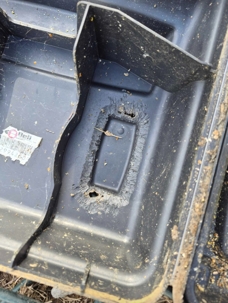
Even when you don’t see a rat, their presence often leaves behind a trail of subtle clues - gnawed plastic, chewed wiring, droppings, and burrow holes near foundations or fences. The photo below shows a clear example: a bait station with deep chew marks, classic sign of rodent activity.
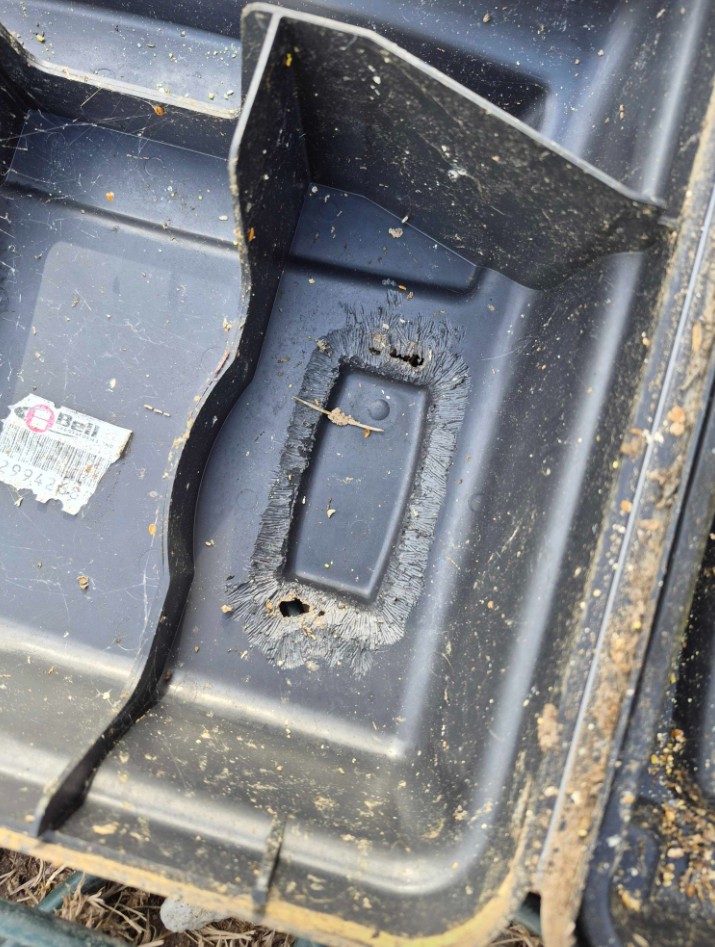
But not every sign of chewing or droppings means rats. Squirrels, voles, or even mice can create similar damage, which is why on-site inspection is crucial for identifying the real culprit.
Recognizing the Difference: Rats vs. Mice
In the Treasure Valley, homeowners most often encounter Norway rats, roof rats, and house mice. While all are gnawing rodents, their size and droppings differ:
- Norway Rats - Larger (7-9 inches), blunt noses, capsule-shaped droppings (~¾ inch), and burrow near foundations.
- Roof Rats - Sleeker with longer tails and pointed droppings. Common in attics, trees, and rooflines.
- House Mice - Smaller, with pointed noses and tiny rice-sized droppings. Usually stay close to food sources.
Learning to tell them apart helps determine whether the issue is minor or a full infestation.
What Rat Damage Looks Like
Rats must gnaw constantly to keep their teeth trimmed. They chew through:
- Plastic bait stations, irrigation tubing, and siding
- Electrical wiring and insulation
- PVC pipes, door seals, and soft concrete
Fresh gnaw marks appear light-colored or rough, while older marks darken with time. You might also see greasy rub marks or small burrow holes along walls and fences.
Still, not all chewing equals rodents:
- Squirrels can bite into drip-line tubing or outdoor containers.
- Voles may tunnel under mulch beds, leaving visible runways.
- Insects such as carpenter ants can hollow wood, mimicking rodent damage.
A trained inspection confirms what pest is active and how best to stop it.
Why Professional Inspections Matter
Rats reproduce quickly - up to six litters a year. A single pair can turn into dozens within months.
Professional inspections help:
- Identify the correct species
- Locate entry points and harborage sites
- Design a targeted treatment plan
- Provide follow-up verification that activity has stopped
At Pestcom, our licensed technicians inspect attics, crawlspaces, and outdoor structures to ensure the root cause is addressed, not just the surface problem.
Best Practices to Keep Rats Out
- Seal gaps with steel wool or hardware cloth.
- Store pet food and garbage in sealed containers.
- Trim shrubs and remove clutter near foundations.
- Keep up with quarterly services for monitoring and prevention.
Consistent professional care keeps rodents from reestablishing once eliminated.
Treasure Valley Insight
Our region’s mix of farms, canals, and neighborhoods creates perfect rodent habitat.
- Roof rats are more common in Boise, Eagle, and Meridian, where fruit trees and sheds attract nesting.
- Norway rats thrive in Nampa, Caldwell, and rural zones where feed and irrigation are accessible.
Identifying which species you’re dealing with ensures the right exclusion and prevention strategy.
Sources
- CDC — Controlling Wild Rodent Infestations
- https://www.cdc.gov/healthy-pets/rodent-control/index.html
- UC ANR IPM — Pest Notes: Rats (PDF)
- https://ipm.ucanr.edu/pdf/pestnotes/pnrats.pdf
- NPMA — Rodent Technical Resources (Resource hub)
- https://www.npmapestworld.org/your-team-tools/technical-resources-by-topic/rodents/
- OSU Extension — Solve Pest Problems: Rats
- https://solvepestproblems.oregonstate.edu/rodents-wildlife/rats