
The Invisible Threat in Your Home

Image sources: https://unsplash.com/photos/pet-cat-laying-down-QKpnbbC4lbA
You meticulously curate your cat's life with the finest salmon pâté, the perfect sunbeam spot, and a cat tree tall enough for a bird-watching adventure. Your home is a fortress of feline comfort, or so you think.
The truth is, while you're busy protecting your kitty from imaginary terrors (like the dreaded cucumber), there are tiny, six- or eight-legged invaders setting up shop right under your nose. These common household pests don’t just cause an itch, they are silent carriers of serious, often life-threatening diseases, turning your safe haven into a tiny health hazard. We're talking about three common pests that every cat owner needs to know how to spot and defeat: fleas, ticks, and mosquitoes.
Pest 1: Fleas: The Tiny Unwanted Travelers

Image source: https://unsplash.com/photos/two-hairless-cats-are-sitting-in-a-stroller-YOZyXH6H-5o
Fleas are the original party crashers. They don't need an invitation; they simply jump onto your clothes, shoes, or another pet and immediately turn your cat's fluffy coat into a five-star, all-you-can-eat buffet. These fast-moving parasites thrive indoors, reproducing exponentially in your carpets and bedding.
A. Health Concern: Flea Allergy Dermatitis (FAD)
For many cats, even a single flea bite can spark Flea Allergy Dermatitis (FAD). This isn’t just an ordinary itch; it’s an intense allergic response to flea saliva. It leads to relentless scratching, biting, hair loss, and painful sores, which can often result in secondary skin infections needing veterinary care (Merck Veterinary Manual: Flea allergy dermatitis in cats).
B. Health Concern: Tapeworms (Internal Parasites)
Fleas can also act as carriers for internal parasites like tapeworms, posing hidden risks to your cat’s overall health (CDC: Dipylidium (flea tapeworm) in pets). When your cat grooms itself (as cats do, constantly), it may accidentally swallow an infected flea. Inside the gut, the larva matures into a tapeworm, a segmented parasite that steals your cat's nutrients. If you ever spot rice-like segments wiggling near your cat’s tail or in its stool, you’ve met the tapeworm, courtesy of an ingested flea.
C. Prevention and Treatment
The key to flea control is consistency. Use veterinarian-approved, year-round preventatives (topical or oral). Don’t forget the environment: frequent vacuuming (and immediately disposing of the bag outside) and washing bedding in hot water are non-negotiable steps to interrupt the flea life cycle.
Pest 2: Ticks: The Disease Vectors
Ticks are miniature, armored vampires. They wait patiently on plants or grass (or hitch a ride inside on shoes and clothes) before latching onto your cat. Their feeding process is slow, giving them plenty of time to pass harmful pathogens directly into your cat’s bloodstream.
A. Health Concern: Blood Parasites and Tick-Borne Diseases
Ticks can transmit a variety of infections. While some are more common in dogs, cats can still contract serious illnesses that impact their overall health and well-being. For example, in certain regions, a single tick bite can transmit Cytauxzoonosis, a rapid-onset blood parasite that is often fatal without immediate and aggressive treatment (Cornell Feline Health Center or CAPC: Ticks and cytauxzoonosis with regional risk context). Watch for symptoms like lethargy, high fever, and extreme lack of appetite.
B. Health Threat: Anemia (In Severe Infestations)
A lesser-known but equally serious risk, especially for young kittens or older, frail cats, is anemia. When dozens of ticks attach simultaneously, the cumulative blood loss can be life-threatening.
C. Safe Removal and Vigilance
If you find a tick, remove it immediately using the following standard method: Use fine-tipped tweezers, grasp the tick as close to the skin as possible, pull upward with steady, even pressure, do not twist or crush its body, and clean the bite site after removal. Because ticks can be tiny, you must commit to regular, thorough body checks, paying close attention to the neck, ears, armpits, and toes.
IMPORTANT SAFETY NOTE:
Never use permethrin-based tick or flea products formulated for dogs on your cat. Permethrin is highly toxic and potentially fatal to cats. Always consult your veterinarian before applying any pest control product to your cat.
Pest 3: Mosquitoes: The Microscopic Menace
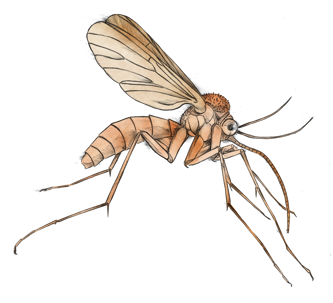
Mosquitoes: they buzz, they bite, and they ruin outdoor dining. But why worry about them indoors? Because they only need a tiny tear in a screen or a brief moment when the door is ajar to enter your home, and they are the sole vector for a catastrophic feline illness.
A. Health Threat: Heartworm Disease (Dirofilariasis)
When a mosquito bites an infected animal, it picks up heartworm larvae. When it bites your cat, it injects those larvae into the bloodstream. In cats, Heartworm Disease is notoriously hard to diagnose and often presents as HARD (Heartworm Associated Respiratory Disease), mimicking asthma. Tragically, the first and only symptom can sometimes be sudden death (American Heartworm Society: Feline heartworm, indoor risk, and HARD).
B. The Indoor Risk
Since mosquitoes can infiltrate any indoor space, being an “indoor-only” cat does not offer reliable protection without consistent, veterinarian-approved prevention. The only way to ensure your cat is protected from heartworm is prevention. For more details on this pest, check out our resource on mosquito pest control.
C. Prevention and Medication
This danger is completely preventable. Diagnosis for heartworm in cats is difficult, so prevention is the best and most effective strategy. Talk to your vet about starting your cat on monthly, prescription heartworm preventatives. Combine medication with environmental control: check window screens and remove any standing water in your home (like those sneaky saucers under potted plants) where mosquitoes breed.
Keeping Your Cat’s Space Pest-Free
You love your cat like family, and that means caring for every detail, not just meals and cuddles, but their comfort, safety, and well-being too. It means being the chief investigator in the war against these tiny, silent carriers: the fleas, ticks, and mosquitoes that pose very real threats to your kitty’s health.
The best defense is a great offense: regular vet checks, consistent preventative medication, and a keen eye for unexpected creepy crawlies. And because life gets busy, and these pests require constant vigilance, many pet owners rely on trustworthy, professional help (like a pet sitter) to ensure their cat's routine and health are never compromised, especially when traveling or working long hours. When you're out of town, having expert help nearby is crucial. That’s why many owners rely on a trusted service, like Pawland Cat Sitting Dubai, to keep their pest control routines and health needs on track, or if you are on the other side of the world in Idaho’s Treasure Valley.
Now go forth, check those window screens, and give your little predator a well-deserved, parasite-free snuggle.
Citations
- Merck Veterinary Manual: Flea allergy dermatitis in cats
- CDC: Dipylidium (flea tapeworm) in pets
- American Heartworm Society: Feline heartworm, indoor risk, and HARD
- Cornell Feline Health Center or CAPC: Ticks and cytauxzoonosis with regional risk context